
Markets


Australians made more than 12.4 million international trips in 2025, representing continued growth over 2024 and confirming Australia's position as one of the world's most outbound-travel-oriented markets. Indonesia, led by Bali, remains the most popular overseas destination for Australians, while Japan continues to record the strongest growth among major outbound markets. New Zealand, the United States, Vietnam and China also remain among the preferred destinations for Australian travellers.
Australians continue to favour longer international holidays, particularly to Europe, where trips of two to four weeks remain common. At the same time, demand for shorter, experience-led getaways has grown, particularly within Asia-Pacific. Small-group journeys, escorted tours and tailor-made itineraries remain highly popular, reflecting a desire for convenience, expert guidance and deeper cultural immersion.
In the luxury segment, Baby Boomers remain a key driver of premium travel demand, valuing comfort, exclusivity and seamless service. However, affluent Generation X and older Millennials are increasingly shaping the market, seeking authentic experiences, wellness, gastronomy and meaningful cultural engagement alongside traditional luxury. Business-class air travel, luxury cruising, high-end resorts and bespoke itineraries continue to perform strongly, with travellers prioritising memorable experiences over material purchases.
Looking ahead, immersive single-destination journeys, slow travel, wellness-focused escapes and curated itineraries combining comfort with local authenticity are expected to remain among the strongest opportunities for destinations seeking to attract Australian travellers.

China's outbound travel market continued its recovery in 2025, with Chinese travellers making approximately 168 million outbound trips and reaffirming China's position as one of the world's largest source markets for international tourism. While outbound volumes have yet to fully regain their pre-pandemic trajectory across all destinations, the market remains unmatched in scale.
Chinese travellers generated more outbound trips in 2025 than the combined populations of Germany, France and the United Kingdom, while the country's passport-holding population still represents only a fraction of China's 1.4 billion inhabitants, leaving significant room for future growth. Travel demand remained particularly strong across Asia, while long-haul destinations in Europe, North America and Oceania continued to recover as air connectivity improved and visa policies eased.
Travel behaviours continue to evolve rapidly. Independent travel, customised itineraries, small-group journeys and experience-led holidays are increasingly preferred over traditional large-group tours. Demand for authentic cultural experiences, wellness, gastronomy, nature and unique local encounters continues to grow, particularly among affluent travellers and the expanding silver-travel segment. Personalisation, flexibility and convenience have become key drivers of destination choice.
Travellers in their 30s and 40s are particularly influential, placing greater emphasis on quality, craftsmanship and meaningful experiences than on traditional status symbols. These digitally savvy consumers rely heavily on mobile platforms, social media and peer recommendations and increasingly seek lesser-known destinations and deeper, more immersive travel experiences.
While luxury travel remains resilient, economic uncertainty has made Chinese consumers more value-conscious. Travellers continue to invest in premium accommodation, exclusive experiences and high-quality services, but increasingly seek authenticity, value and memorable experiences rather than luxury for its own sake. Price sensitivity remains elevated, making perceived value a critical consideration.
For international destinations, China's importance extends well beyond short-term recovery trends. Its unparalleled scale, growing passport-holding population, rising travel sophistication and substantial affluent consumer base ensure that China remains one of the world's most strategically important outbound markets. For many destinations, the question is no longer whether China will continue to grow, but whether they will remain relevant and visible when the next phase of growth materialises.


Hong Kong remains one of Asia's most travel-intensive outbound markets, with residents making more than 30 million outbound trips in 2025, excluding travel to Mainland China and Macau. With a population of just 7.5 million residents, this equates to approximately four international journeys per person annually, placing Hong Kong among the world's most travel-active populations. Despite its integration within Greater China, Hong Kong continues to function as a distinct and highly sophisticated outbound market, with travel behaviour, spending patterns and international connectivity comparable to those of leading global cities. Despite ongoing economic headwinds and softer domestic retail performance, international travel demand remained highly resilient, supported by strong air connectivity, high passport penetration and a deeply ingrained culture of overseas travel.
A continued shift towards independent travel is reshaping the market. Free Independent Travellers (FITs) now dominate outbound demand, with travellers increasingly favouring customised itineraries, direct bookings and flexible travel arrangements. Digital platforms, social media and peer recommendations play an influential role throughout the customer journey, while experiential travel continues to outperform traditional sightseeing-led holidays.
Affluent Hong Kong travellers remain among Asia's most sophisticated consumers of luxury travel. Rather than accumulating material goods, many are prioritising memorable experiences, wellness, gastronomy, culture and exclusive access. Short-haul premium getaways across Asia coexist with longer-haul journeys to Europe, North America and Australia, often centred around immersive experiences and boutique luxury accommodation.
While local luxury retail sales have softened, spending abroad remains robust. Premium travellers continue to demonstrate a strong appetite for business-class air travel, luxury hotels and curated experiences. The success of Cathay Pacific's new Aria Suites and sustained demand for premium cabin products illustrate the willingness of Hong Kong travellers to invest in comfort, privacy and seamless service, particularly on long-haul routes. For affluent consumers, perceived quality and exclusivity increasingly outweigh price considerations.
The combination of exceptional travel frequency, high disposable incomes, strong long-haul propensity and a mature premium travel culture continues to make Hong Kong one of Asia's most valuable source markets for luxury and experiential tourism.


India continued its remarkable outbound travel growth in 2025, cementing its position as one of the world's most dynamic source markets. Indian travellers made an estimated 32–35 million outbound trips during the year, supported by rising disposable incomes, expanding international air connectivity and a rapidly growing middle and affluent class. International travel expenditure continued to rise strongly, placing India among the fastest-growing outbound tourism markets globally. Yet, despite its population of more than 1.4 billion people, fewer than 3% of Indians travel internationally in any given year, highlighting the market's extraordinary long-term growth potential and its growing importance for destinations, airlines and hospitality brands worldwide.
Millennials and Gen Z remain the primary drivers of outbound demand. Highly connected and digitally savvy, they seek experiences combining leisure, culture, wellness, gastronomy, adventure and personal enrichment. While traditional destinations such as Australia, New Zealand, the Maldives, Thailand, Switzerland, France, Italy and the United Kingdom remain highly desirable, emerging destinations across Central Asia, the Caucasus and Eastern Europe are gaining traction among repeat travellers seeking new experiences.
The premium and luxury travel segments are expanding particularly rapidly. Affluent Indian travellers are increasingly choosing business-class travel, luxury hotels and bespoke itineraries, while multi-generational family holidays, destination celebrations, wellness retreats and experiential journeys continue to drive higher spending and longer stays. Increasingly, high-value travellers are prioritising authenticity, exclusivity and meaningful experiences over traditional status-driven consumption.
Looking ahead, India's young demographic profile, strong economic growth and unprecedented aircraft orders by Indian carriers are expected to support sustained outbound growth for many years to come. Air India and IndiGo alone have ordered well over 1,000 new aircraft in recent years, signalling a transformational increase in international connectivity. As overseas travel becomes increasingly accessible, India is widely expected to emerge as one of the most influential outbound tourism markets of the coming decade.
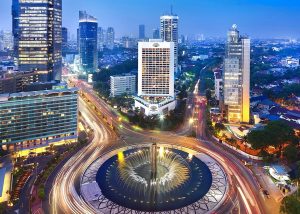
Indonesia's outbound travel market continued its steady expansion in 2025, with international departures estimated to have exceeded 15 million trips, moving closer to and in some segments surpassing pre-pandemic performance. Supported by a growing middle class, improving international connectivity and rising travel aspirations, Indonesians continue to travel abroad in increasing numbers despite ongoing economic and currency pressures.
Religious travel remains a major driver of outbound demand, particularly for Umrah and pilgrimage-related journeys. At the same time, leisure travel is becoming increasingly diversified. Traditional favourites such as Singapore, Malaysia, Thailand, Japan and South Korea continue to perform strongly, while demand for Europe is growing among affluent travellers seeking culture, nature, gastronomy and premium experiences. Interest in less conventional destinations and longer-haul journeys has also increased, particularly among repeat international travellers.
Indonesia's luxury and premium travel segments are expanding steadily. Affluent Indonesians increasingly prioritise convenience, comfort and personalised service, driving demand for premium air travel, luxury hotels, private transportation and curated itineraries. Family travel, multi-generational holidays and special-occasion trips remain important drivers of spending, while travellers are increasingly seeking authentic experiences that combine exclusivity with cultural immersion.
Value consciousness nevertheless remains a defining characteristic of the market. Even high-net-worth travellers are attentive to perceived value and often favour packages, private tours and bundled offers that maximise convenience and transparency. This combination of growing affluence and pragmatic purchasing behaviour continues to shape the market, creating opportunities for destinations and travel brands capable of delivering premium experiences supported by a compelling value proposition.


Japan's outbound travel market continued its gradual recovery in 2025, with international departures estimated to have exceeded 16 million trips. While still below the record levels seen before the pandemic, confidence among Japanese travellers has strengthened as airline capacity has increased, the yen has stabilised and international travel has become more accessible. At the same time, Japan remains one of the world's most sought-after destinations, with inbound tourism continuing to reach record highs.
Long-haul destinations such as Europe, the United States, Australia and New Zealand remain highly aspirational for Japanese travellers, particularly among affluent and mature consumers. While Free Independent Travel (FIT) continues to grow, organised tours and package travel retain an important role, especially for long-haul journeys where convenience, reliability and expert planning remain highly valued.
Japanese travellers increasingly seek meaningful and enriching experiences over traditional sightseeing. Wellness retreats, cultural immersion, gastronomy, nature-based travel, luxury rail journeys and slower-paced itineraries continue to gain popularity. Authenticity, safety, service quality and attention to detail remain among the most important factors influencing travel decisions, particularly among higher-spending travellers.
The luxury segment is characterised by a preference for understated elegance rather than overt displays of wealth. The concept of "quiet luxury" continues to resonate strongly, with demand focused on exclusive access, personalised service, privacy and authentic local experiences. High-end accommodation, premium rail travel, refined gastronomy and carefully curated itineraries remain particularly appealing to Japanese travellers seeking depth, comfort and cultural enrichment.
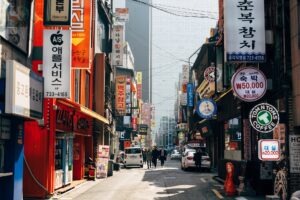

South Korea remains one of Asia's most dynamic and travel-intensive outbound markets. In 2025, South Koreans made an estimated 30 million international trips, surpassing pre-pandemic levels and equivalent to nearly 60 outbound journeys for every 100 residents. With a population of just over 51 million, South Korea generates more outbound travel than many significantly larger countries and remains one of the world's most valuable source markets for international tourism. Strong air connectivity, high passport penetration and a deeply ingrained travel culture continue to support demand across both short-haul and long-haul destinations.
South Korean travellers are increasingly seeking longer and more meaningful international journeys. Demand for customised itineraries, cultural experiences, gastronomy, wellness, luxury cruises and nature-based travel continues to grow, particularly among affluent travellers. Europe, Australia and North America remain highly aspirational destinations, while Japan and Southeast Asia benefit from their proximity, accessibility and diverse tourism offerings.
Public holidays and seasonal travel periods remain important demand drivers, with Chuseok, Lunar New Year and summer holidays generating significant outbound traffic. Family travel, multi-generational holidays and special-interest travel are expanding segments, while travellers are increasingly willing to invest in higher-quality experiences that offer exclusivity, authenticity and personal enrichment.
Digital channels now dominate travel planning and booking. Online travel agencies, social media and mobile platforms play a central role, particularly among younger consumers. At the same time, premium package tours have regained popularity among younger professionals and mature travellers seeking convenience, expert curation and value. As a result, South Korea has become a market where independent travel and organised travel coexist successfully, each serving different traveller needs.
Luxury travel demand remains particularly resilient. South Korean premium travellers are increasingly drawn to boutique hotels, Michelin-starred dining, private experiences and culturally immersive itineraries. While value remains important, travellers are willing to pay for quality, exclusivity and memorable experiences, making South Korea one of Asia's most attractive source markets for luxury destinations and hospitality brands.


Malaysia's outbound travel market continued to expand in 2025, with international departures estimated to have exceeded 12 million trips, up from approximately 11.3 million in 2024. Supported by improving economic conditions, a strengthening Ringgit and increasing international air connectivity, Malaysians remain among Southeast Asia's most active international travellers. While domestic tourism continues to perform strongly, overseas travel is deeply embedded in the Malaysian lifestyle, supported by high passport penetration, strong English proficiency and a multicultural outlook that encourages international exploration.
Regional destinations such as Thailand, Indonesia, Singapore, Japan, South Korea and China continue to attract the largest share of outbound travellers. At the same time, demand for long-haul travel is growing steadily, particularly among affluent consumers and repeat travellers seeking cultural enrichment, premium experiences and seasonal escapes. Europe remains highly desirable, with the United Kingdom, France, Italy and Switzerland among the most aspirational destinations, alongside Australia and New Zealand.
Malaysian travellers are increasingly favouring independent travel, customised itineraries and experience-led holidays. Gastronomy, culture, nature, shopping and family travel remain key motivators, while wellness retreats, luxury cruises and immersive local experiences are attracting growing interest among higher-spending travellers. Digital platforms and social media play an important role in destination discovery and travel planning, particularly among younger consumers.
The premium travel segment continues to expand, driven by affluent professionals, entrepreneurial families and multi-generational travellers. While Malaysians remain value-conscious and carefully evaluate travel expenditures, they are increasingly willing to invest in premium air travel, luxury accommodation and curated experiences that offer comfort, exclusivity and authenticity. This combination of growing affluence, international sophistication and strong travel propensity positions Malaysia as one of Southeast Asia's most attractive - and often underestimated - outbound markets for luxury and experiential tourism.

New Zealand's outbound travel market continued to strengthen in 2025, with international departures estimated to have exceeded 3.8 million trips, up from approximately 3.5 million in 2024. The recovery has been supported by improving economic confidence, restored international air capacity and a sustained appetite for overseas travel. Although modest in population size, New Zealand consistently generates high-value international travellers who are experienced, independent and willing to travel long distances in pursuit of meaningful experiences.
Australia remains the dominant outbound destination due to its proximity, family ties and business connections. Beyond Australia, the United Kingdom, the United States, Fiji, Japan, Southeast Asia and Europe continue to attract strong interest. Long-haul travel remains deeply embedded in New Zealand's travel culture, with travellers often combining multiple destinations and favouring longer stays to maximise the value of international journeys.
New Zealand travellers are increasingly seeking authentic, experience-led travel centred around culture, nature, gastronomy, wellness and personal enrichment. Independent travel remains the preferred mode of exploration, although specialist tour operators and curated journeys continue to appeal to travellers seeking convenience and expert guidance. Sustainability, environmental stewardship and responsible tourism practices are important considerations, particularly among higher-spending travellers.
The premium and luxury segments remain particularly resilient. Affluent New Zealanders demonstrate a strong preference for quality over ostentation, favouring boutique luxury hotels, private villas, bespoke itineraries and immersive local experiences. Multi-generational travel, milestone celebrations and extended overseas holidays continue to drive premium expenditure. While New Zealanders travel abroad less frequently than some larger Asia-Pacific markets, they tend to stay longer and spend more per trip, making them an attractive source market for luxury destinations and hospitality brands.


The Philippines' outbound travel market continued its strong growth trajectory in 2025, with international departures estimated to have exceeded 7.2 million trips, up from approximately 6.85 million in 2024. Rising disposable incomes, expanding international air connectivity and a growing appetite for overseas travel continue to fuel demand. Filipinos remain among the most active travellers in Southeast Asia, with outbound travel supported by a combination of leisure travel, visits to friends and relatives (VFR), business travel and the country's large overseas diaspora.
Asia continues to account for the majority of outbound travel, with destinations such as Japan, South Korea, Singapore, Thailand, Hong Kong and Taiwan remaining highly popular. Ease of access, visa policies, affordability and strong air connectivity continue to influence destination choice. At the same time, interest in long-haul destinations including Europe, Australia, the United States and the Middle East is growing, particularly among affluent travellers and repeat international visitors.
Filipino travellers are highly digital and socially connected, with travel inspiration increasingly shaped by social media, influencers, online content and peer recommendations. Experiences, attractions, events and unique photo-worthy moments remain powerful motivators, while travellers are increasingly seeking authentic cultural experiences, gastronomy, wellness and personalised itineraries. Shorter but more frequent international trips have become increasingly common, reflecting evolving lifestyles and improved regional connectivity.
The premium travel segment is expanding rapidly, fuelled by a growing affluent class, successful entrepreneurs, professionals and internationally exposed families. Demand for premium air travel, luxury hotels, private tours and bespoke experiences continues to increase, particularly for milestone celebrations, family holidays and special occasions. While value remains an important consideration, high-spending Filipino travellers are increasingly willing to invest in comfort, exclusivity and memorable experiences, making the Philippines one of Southeast Asia's most promising emerging markets for luxury tourism.


Thailand's outbound travel market continued its strong recovery in 2025, with an estimated 9 million international trips, up from approximately 8.5 million in 2024 and moving steadily towards pre-pandemic levels. Improved connectivity, rising disposable incomes and reciprocal visa-free agreements have helped stimulate demand, particularly across Asia. Japan remains the most popular destination for Thai travellers, while China has regained momentum following the introduction of mutual visa-free travel. South Korea, Taiwan, Vietnam, Singapore and Malaysia also remain highly sought-after destinations.
Thai travellers are increasingly prioritising experiences over material consumption. Wellness retreats, gastronomy, culture, nature and immersive local encounters are becoming more important motivators, particularly among younger affluent consumers and experienced travellers. Social media continues to play a significant role in destination discovery and travel planning, while independent and customised travel is gaining ground alongside traditional tour packages.
The premium and luxury segments continue to perform strongly. While shopping and fine dining remain important components of overseas travel, affluent Thai travellers are increasingly investing in business-class travel, luxury accommodation and bespoke experiences that offer comfort, exclusivity and personal fulfilment. Much like elsewhere in Asia, travellers are moving beyond conspicuous consumption towards more meaningful, authentic and shareable experiences. Wellness, culture and lifestyle-led travel are increasingly influencing destination choice, while the growing integration of leisure into business travel is further supporting demand for high-value international journeys.
As one of Southeast Asia's most influential outbound markets, Thailand combines strong travel propensity, growing affluence and an increasingly sophisticated approach to luxury travel. The market's evolution towards experiential luxury and personalised journeys creates significant opportunities for destinations capable of delivering authentic and memorable experiences.

Despite its population of just under six million residents, Singapore remains one of the world's most valuable outbound travel markets on a per-capita basis. In 2025, Singaporean travellers generated approximately 11.1 million outbound trips and spent an estimated US$33.25 billion on international travel, equivalent to nearly two overseas journeys per resident and among the highest per-capita travel expenditures globally. Supported by strong passport mobility, extensive air connectivity through Changi Airport and high disposable incomes, Singaporeans continued to travel internationally at exceptionally high rates. As one of Asia's leading aviation hubs, Singapore generates a sophisticated and globally minded traveller base that is comfortable exploring both regional and long-haul destinations.
Malaysia, Indonesia, Thailand, Japan and China remain among the most frequently visited destinations, benefiting from proximity, convenience and strong cultural and business ties. At the same time, Europe, Australia, the United Kingdom and the United States continue to attract affluent Singaporeans seeking cultural enrichment, gastronomy, luxury shopping, wellness and immersive travel experiences. Long-haul travel remains a defining characteristic of the market, particularly among experienced travellers and high-income households.
Singaporean travellers are highly informed, digitally connected and value-conscious. While they possess significant purchasing power, they are discerning consumers who carefully evaluate quality, convenience and overall value when making travel decisions. Exchange rates, airline connectivity and destination affordability can influence destination choice, but compelling experiences, exceptional service and unique offerings often outweigh price considerations among premium travellers.
The luxury travel segment continues to perform strongly. Singaporeans are increasingly investing in premium air travel, luxury hotels, curated itineraries, cruises, wellness retreats and bespoke experiences. Gastronomy, culture, shopping and exclusive access remain key motivators, while multi-generational travel and special-occasion journeys continue to drive high-value spending. As travellers increasingly prioritise experiences over possessions, Singapore remains one of Asia's most attractive source markets for luxury and experiential tourism.
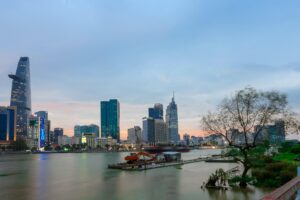

Vietnam's outbound travel market continued its rapid expansion in 2025, with international departures estimated to have exceeded 6 million trips, up from approximately 5.3 million in 2024. While still smaller than more mature outbound markets such as South Korea, Japan or Australia, Vietnam is widely regarded as one of Asia's most promising growth markets. Supported by strong economic performance, rising disposable incomes and a rapidly expanding middle and affluent class, the country benefits from one of the youngest population profiles in the region, with more than half of Vietnamese citizens under the age of 35. This combination of demographics and rising wealth positions Vietnam as a significant long-term opportunity for international destinations and travel brands.
Intra-Asian travel continues to dominate outbound demand, driven by strong air connectivity, shorter travel times and visa accessibility. Popular destinations include Thailand, Singapore, South Korea, Japan, China and Taiwan, while interest in long-haul travel to Europe, Australia and North America is growing steadily among affluent travellers seeking premium hospitality, cultural experiences and aspirational journeys.
Travel behaviour is evolving rapidly. Although traditional group tours remain relevant, travellers increasingly favour independent travel, customised itineraries and mobile-first trip planning. Shorter booking windows and greater demand for flexibility are becoming defining characteristics of the market.
The premium travel segment is expanding particularly quickly. While Gen X travellers and entrepreneurs continue to account for much of the high-value segment, younger affluent professionals are entering the market in growing numbers. Rising wealth is fuelling demand for premium accommodation, wellness, fine dining, luxury shopping and exclusive cultural experiences, with gastronomy emerging as an increasingly important travel motivator.
Although Vietnam remains smaller in outbound volume than neighbouring Thailand or Malaysia, its strong economic momentum, growing affluence, expanding international connectivity and youthful demographic profile make it one of the most attractive long-term growth opportunities for tourism destinations and luxury travel brands in Asia.


Taiwan's outbound travel market continued to perform strongly in 2025, with international departures reaching a record 18.9 million trips, up 12.4% year-on-year and above pre-pandemic levels. With a population of just 23.4 million residents, Taiwanese travellers generated approximately 81 outbound trips per 100 residents, placing Taiwan among the most travel-intensive outbound markets in the Asia-Pacific region. Average overseas expenditure exceeded NT$55,500 (approximately US$1,760) per trip, reinforcing Taiwan's reputation as a high-value source market. High passport mobility, strong regional air connectivity and a longstanding culture of international travel continue to underpin outbound demand.
Japan remains Taiwan's leading outbound destination, accounting for roughly one-third of all departures, followed by South Korea, Hong Kong, Thailand, Vietnam and Singapore. Beyond Asia, Europe, North America and Australia continue to attract travellers seeking cultural, gastronomic and premium experiences. Long-haul travel remains particularly popular among affluent and repeat travellers, often involving longer stays, multi-country itineraries or specialist journeys.
Independent travel dominates, particularly for short-haul destinations where flexibility and digital planning tools are highly valued. Organised tours, however, remain relevant for long-haul travel, special-interest itineraries and more complex destinations. Wellness, gastronomy, cultural immersion, rail journeys, hiking and educational travel continue to gain popularity across multiple age groups.
Taiwan's premium travel segment is characterised by a strong emphasis on quality, comfort and authenticity. Affluent travellers increasingly favour boutique luxury hotels, personalised itineraries, fine dining and exclusive cultural experiences over traditional displays of luxury. Multi-generational family travel remains an important expenditure driver, while spending on gastronomy, wellness and meaningful local encounters is becoming increasingly influential in destination choice.
As one of Asia's most mature outbound markets, Taiwan offers a highly desirable traveller profile: experienced, internationally minded, digitally connected and willing to invest in quality experiences. Despite its modest population size, Taiwan continues to deliver strong per-capita travel spending and remains an attractive source market for premium and luxury tourism destinations.